
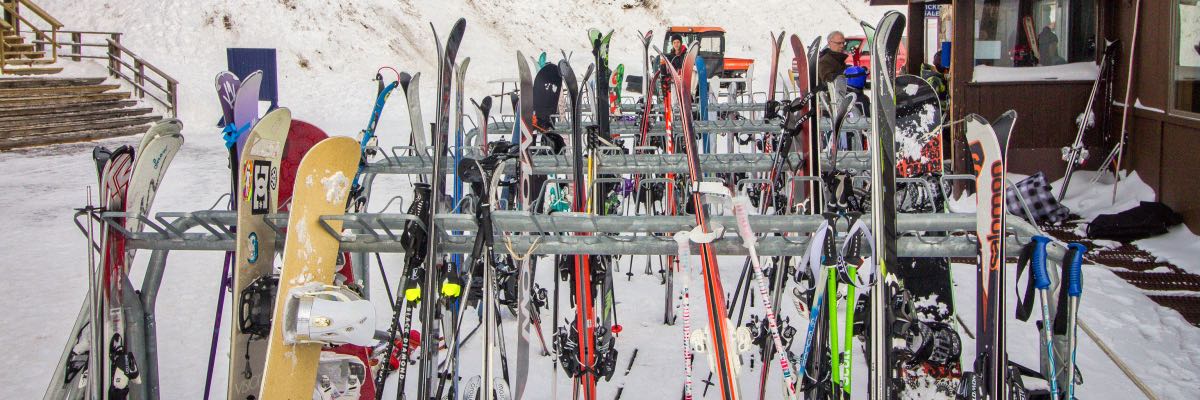
I’m not ashamed to say it – I love winter. I love the snow, I don’t mind the cold, but most importantly, I love skiing. Why wouldn’t you love the feeling of racing down an icy hill at 30mph, wind in your face, feeling like you’re floating on a cloud, with a spray of powder trailing behind you?

Skiing’s not the easiest activity to prepare for, though, since it does require quite a bit of gear. And if you’re new, it’s a task to figure out what to wear skiing (three layers!) and what to pack for a ski trip.
Whether you’re planning a day at your local hill or flying across the country for a week-long resort stay, you’ll obviously need a few skiing essentials (boots, poles, warm socks) – and there are also some nice-to-have items that’ll improve the experience (hand warmers, muscle cream, cozy booties).
After many years of skiing at more hills than we can count, we put together this ski trip packing list to make preparing for your next powder day as easy as possible. Whether you’re planning a ski trip to Montana, Aspen, or the Alps, this will cover everything you’ll need at the hill, for the apres-ski, and getting there and back.
Some links in this post are affiliates, meaning we may earn a small commission if you place an order. Your cost is the same!
Table of Contents
Essential Skiing Gear
We’ll start with the basic things you’ll need when packing for a ski trip. Some of these items are so obvious you’d probably never forget them (though it happens), but we’ll list them anyway so you have a complete ski trip checklist, and so we can highlight a few key things to consider when choosing the best skiing gear for you (including whether to buy or rent).
Skis or Snowboard
The most essential of your skiing essentials: your skis or board!
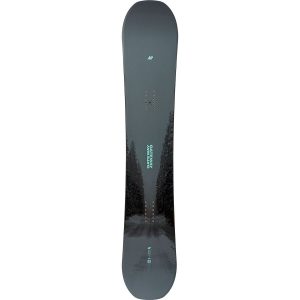
I’m no authority on the most modern skis and snowboards. I only snowboarded for one season, back when I was in college in Bozeman, and I’m still happily skiing on gear that was new when Obama was president. But here’s one piece of advice that actually matters: choose equipment that matches the snow and terrain you’ll ride most.
Coastal mountains, especially in the Northeast, are famous for heavy, wet snow. Here, you’ll need narrower, stiffer skis or boards with strong edges so you can carve through the mess and stay in control.
Western resorts, especially in the Rockies, get dry, deep powder. You’ll want wider skis, or a board with a softer flex and more aggressively-curved ends (referred to as rocker). These float or “surf” on top of powder instead of diving under it.
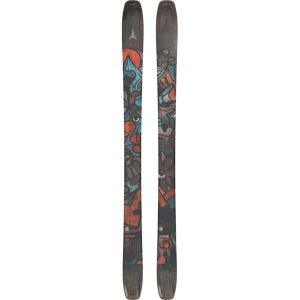
If I were in the market for new skis to use here in Montana, I’d probably choose these for their width and rocker. If you’re planning to visit a hill that’s really different from where you normally go, I would recommend renting gear there so it’ll match the conditions.
When in doubt, head to REI or your local sporting goods store to ask for recommendations.
Ski Boots or Snowboard Boots
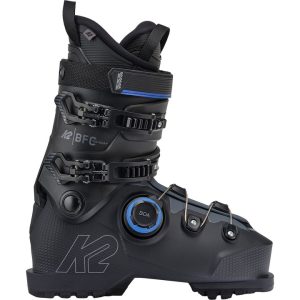
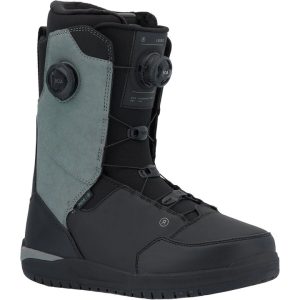
Whether you’re skiing or snowboarding, there are two things I always tell beginners: your boots are way more important than your skis or board, and the fit is more important than the brand or any other feature.
New skiers rarely listen, but it’s the truth: no matter how fancy your skis are, you can’t control them properly without good boots – and if they’re too loose or they crush your toes, you’ll be miserable and back in the lodge by noon. We are big fans of Rossingol boots, but that doesn’t necessarily mean they’ll be right for you.
If you’re only going to buy one thing, make it the boots, and get them fitted by a professional. You can still rent your skis or board at the hill.
Poles
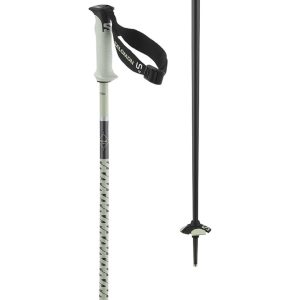
Poles are the least important part of your ski set-up. Any old pair of poles will do, and they’re always included in the rental package.
The only thing that really matters is the length. To size them, hold the pole upside-down and grip it below the basket (the round cup at the bottom). Your arm should make a 90-degree angle if it’s the right fit.
If you’re new to skiing, choose poles made from aluminum; they’re cheaper, and they bend (and can be straightened) instead of breaking if you fall. Advanced skiers often use graphite or composite poles, which are noticeably lighter and swing faster, but they tend to shatter if you crash badly enough.
Ski Helmet
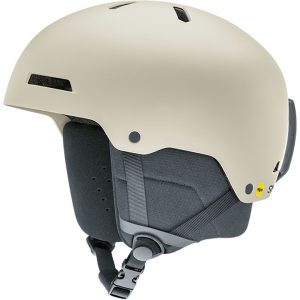
Beginners sometimes skip wearing a helmet, thinking, “I’m not doing steep runs,” or “That looks dorky.” Which is unfortunate, because a simple slip on the bunny hill, especially if it’s icy, can cause you to hit your head hard enough to cause a concussion.
Thankfully, this debate is mostly over. Today, roughly 90 percent of people on the mountain wear helmets. When I started skiing as a kid, it was closer to five percent, and mostly just racers. But a string of high-profile deaths, including Sonny Bono and Natasha Richardson, combined with helmets becoming a symbol of being a pro, has made them the norm. They also keep your head warmer than any hat.
Most ski hills offer helmet rentals or include them in your rental package, so there’s no excuse for not wearing one.
Ski Goggles
Are goggles really a necessary piece of ski gear? Absolutely!
The reason? Snowblindness.
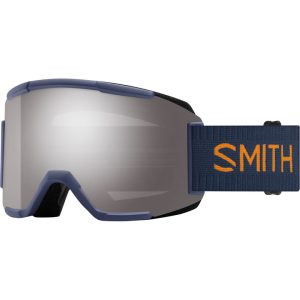
Snowblindness occurs when your retinas essentially get a sunburn. Normally, you avoid this by not staring directly at the sun – but when you’re surrounded by a blanket of white snow, UV rays reflect into your eyes from every direction. That’s why even lifties wear sunglasses on the job.
While skiing or boarding though, sunglasses will never stay on, especially if you fall. And it’s hard to see where you’re going in the snow through regular lenses, which is why ski goggles have a different tint.
So, a better question: Do you need good goggles? No. Pretty much any pair designed for skiing or snowboarding, as long as they’re not too scratched up, will suffice.
Helmet Headphones
These are by no means a necessity, but being able to play your favorite music while you fly down the slopes – and on the lift, if you don’t feel like socializing with the stranger riding next to you – is a nice option. While you could use wireless headphones like AirPods, you’re nearly guaranteed to lose at least one of them in the snow and the cushioning on some helmets will press them into your ears in a painful way.
But most helmets have cutouts to fit these dedicated helmet headphones perfectly against your noggin. Just make sure to keep your soundtrack to a reasonable level so you can actually hear other skiers and boarders around you.
Ski Sling
If you’ve ever had to haul both your own gear and your kid’s up to the lodge or back to the parking lot at the end of the day, you know skis are super awkward to carry. While hardly an essential, a ski sling will make the trek to and from the car much easier, especially when you’re tired at the end of the day. This is actually one of our favorite gifts for skiers, since it’s something most people wouldn’t buy for themselves – but that doesn’t mean you can’t buy it for yourself!
Clothes for Skiing
Next order of business when it comes to packing for a ski trip? The clothes you’ll need on the hill.
The ideal skiing outfit is made up of three layers, each with a specific purpose. The base layer (a top and leggings) wicks moisture away, while the mid layer (a fleece or sweatshirt) provides insulation, and the outer layer (a jacket and snow pants) is wind- and waterproof. This set-up will keep you warm, dry, and having a great time while ripping runs.
However, depending on the conditions, you might not need all three layers. I frequently skip the midlayer if it’s warm or ditch the outer layer if it’s not too wet or windy.
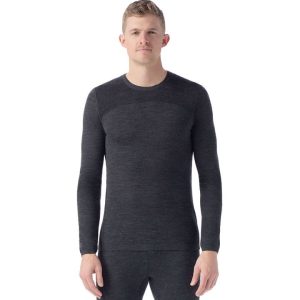
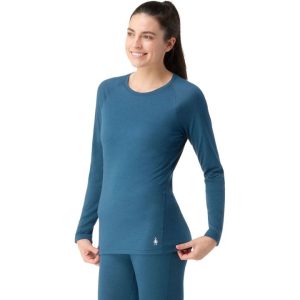
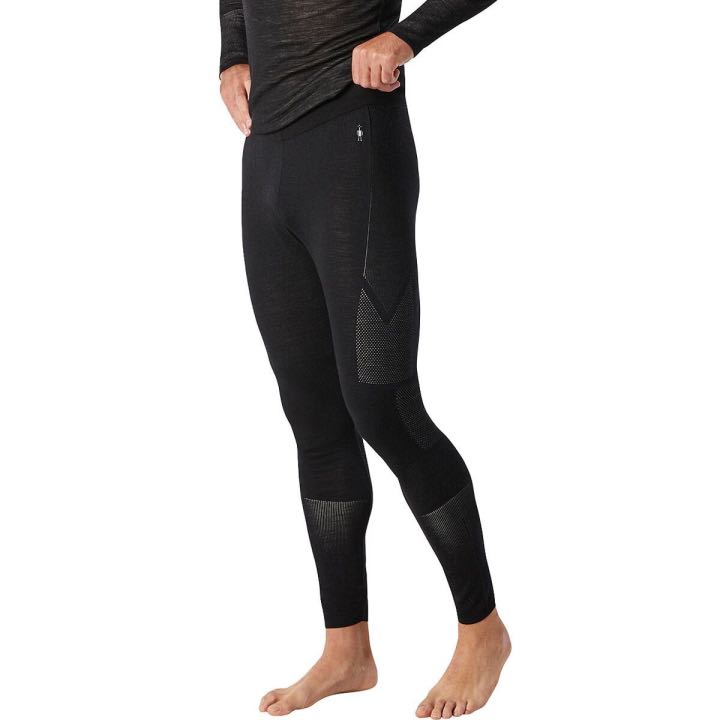
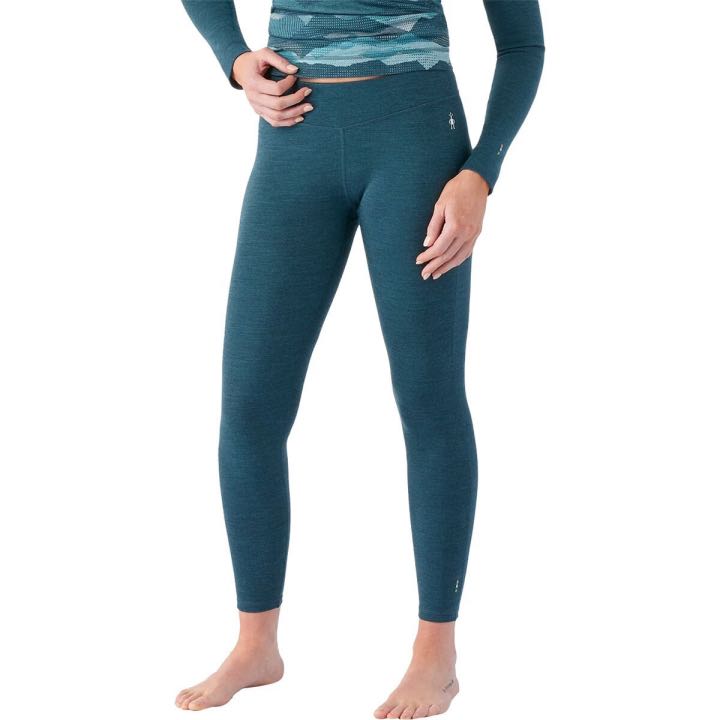
Baselayer: Men’s Top & Bottoms / Women’s Top & Bottoms
The first layer of clothes for skiing, your baselayer, is essentially a stretchy, fitted pair of pants and long-sleeved top. A good baselayer will keep you warm and dry, which is critical to having a good time on the slopes.
We again recommend wool, although it’s more expensive than synthetic options. In addition to being warmer and keeping you drier than its man-made counterparts, wool also resists funk far better during a long day (or if you forget to wash it!).
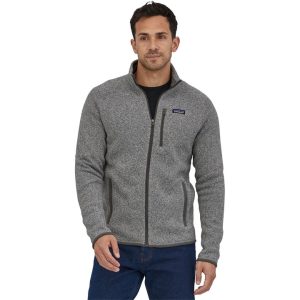
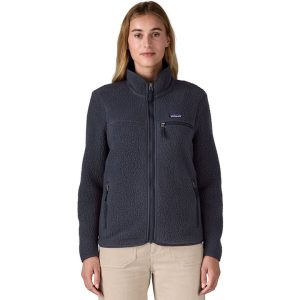
Fleece Jacket: Men’s and Women’s
This is where things get more interesting. Many new skiers and boarders, assuming they need all the skiing essentials, rush out to buy a full parka, one with a midlayer that zips into the outer shell. But ski parkas are expensive, and they’re highly specialized: unless your job involves standing around in deep snow all day, a full parka is usually too warm for everyday winter use, so you’ll probably only wear it on the slopes.
A smarter, more budget-friendly approach is to buy separate midlayers and outer shells – and they’re things you may already have. Our favorite midlayer option is a good fleece. While it’s not as warm as down, it’s much easier to wash, dries faster, and actually performs better in the wind.
Outer Layer: Men’s and Women’s
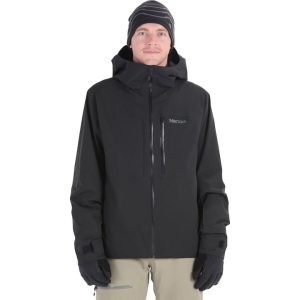
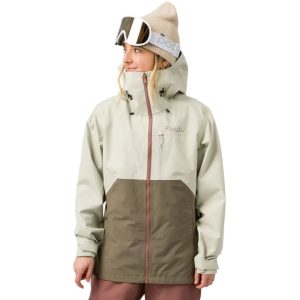
Finally, there’s the outer layer: a waterproof and windproof shell that keeps you warm and dry even after you yard-sale into deep powder.
Personally, I use a soft-shell jacket as my outer layer. It works great for skiing here in Montana, where the light, fluffy “cold smoke” powder brushes right off. But a soft-shell jacket is water-resistant rather than fully waterproof.
If you’ll be skiing on the coasts (or anywhere with wet snow and potentially rain in the forecast), you’ll want a proper hardshell jacket, made with Gore-Tex or something similar. It will keep the weather out, while still breathing well enough that your own sweat doesn’t leave you soaked from the inside.
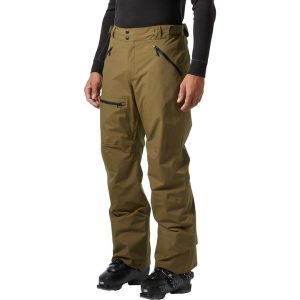
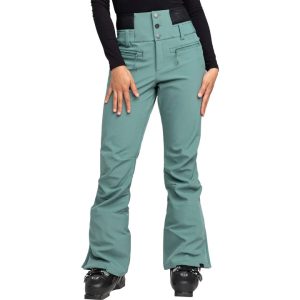
Ski Pants: Men’s and Women’s
Truth be told, I’m not a huge fan of traditional snow pants. They’re expensive and usually only see action on ski trips. Instead, I wear uninsulated, water-resistant shell pants over a pair of very warm baselayer bottoms. It’s a set-up I love because those same pants can be used for spring and fall hiking.
But if you run cold or you’re just starting out and expect to spend more time in the snow than riding on top of it, insulated snow pants are worth it. They’re warm, mostly waterproof, and come in a wide range of styles.
Some pants prioritize breathability over being completely waterproof, which are good in drier areas like the Rockies. Others use Gore-Tex or similar membranes that vent sweat while blocking snow and are best in wetter conditions on the coasts. It really comes down to your preference and the conditions you ski in most often.
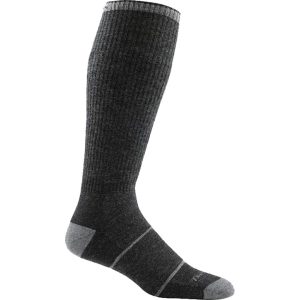
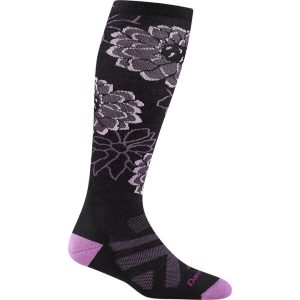
Wool Ski Socks: Men’s and Women’s
Just like with hiking, socks can make or break your ski trip. Ski socks typically extend three-quarters of the way up your calf, and a good pair will provide some cushion, prevent blisters, and keep your feet warm, dry, and secure in your boots. That’s why we always recommend wool: it’s moisture-wicking, stays warm even when damp, and won’t smell terrible if you forget to pull them from the bottom of your bag after the trip.
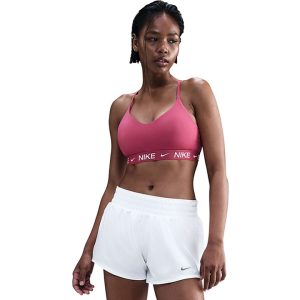
Sports Bra
As a man, I’m not exactly qualified to cover this subject, so I’ll let Jen take over here. She says:
Most women prefer to wear a sports bra while skiing, but unless you’re planning to do moguls all day long, it doesn’t need to be uber-supportive. A low-impact style will be the most comfortable, and this one’s made from a nice breathable fabric. Bonus: it’ll work just as well for yoga, hiking, or a long flight.
Ski Gloves
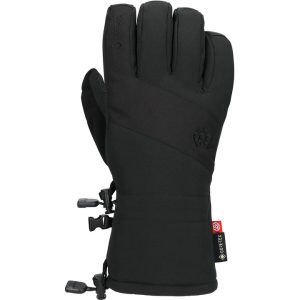
If you’re wearing all the ski clothes we’ve recommended so far, you’ve successfully insulated your legs and torso – but the body parts arguably most susceptible to frostbite are your hands. Fleece gloves might be enough for shoveling the driveway, but to keep your fingers warm and dry on the ski hill, you’ll want something warmer.
I don’t like to suggest buying a lot of ski gear you won’t use elsewhere, but in this case, it’s worth it. A pair of insulated, waterproof gloves can easily be the thing that makes or breaks your day on the hill.
Balaclava
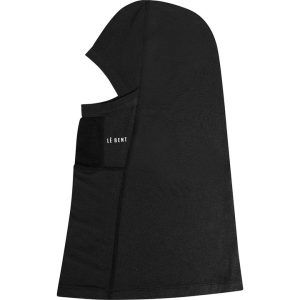
Lastly, your ski trip packing list needs to include something that’ll keep your face warm. Scarves can be bulky, buffs tend to roll down, and ski masks may give an unintended impression that you’re out to rob a liquor store.
To best shield your face from the wind and cold, consider a balaclava. Rather than robber, now you may look more like the terrorist from any action movie, but it’s worth it to stay warm.
Balaclavas are also more versatile since you can pull the lower section below your chin for ventilation or roll the top down to use it as a neck gaiter. This is another place we definitely recommend choosing wool, which will prevent it from smelling even as it gets wet throughout the day.
What to Carry on the Slopes
Going back to the lodge every time you need a sip of water, a snack, or to take off or put on a layer is a drag. Carry a backpack on the slopes, and now you’ve got all the essentials right at your finger tips and more time for skiing. These are the things you’ll want to throw in your backpack before you head to the lift line.
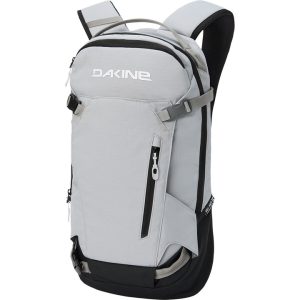
Ski Backpack
Ski backpacks are usually associated with pros who pack shovels to build jumps or need to carry avalanche safety gear (or who pack a few beers to drink on the lift, but we don’t endorse that, obviously). That said, packs are just as useful for anyone (and especially important for parents) who want to carry hand warmers, water, or snacks.
You might not think a specialized ski backpack is necessary, but skiing with a regular backpack on is extremely uncomfortable because it’ll swing all over the place and throw your balance off. So pick one that fits snugly and has a chest strap and hip belt to hold it securely. Your pack also needs to be easy to take on and off, because you can’t wear it on the chairlift.
Bonus: a specialized ski pack will also allow you to carry your skis through the parking lot much more easily.
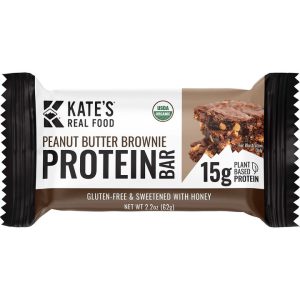
Protein Bars
Most ski hills are open a mere seven hours each day, which is what makes eating so inconvenient. Once you factor in taking off your gear, waiting in line to order, finding a table, and actually eating your food, you’ve probably lost a seventh of your potential skiing time.
That’s why I like to at least bring my own snacks, and there’s no more convenient option than these bars from Kate’s Real Food. They pack a punch, with 270 calories and 15 grams of protein to keep you fueled through the afternoon.
Insulated Water Bottle
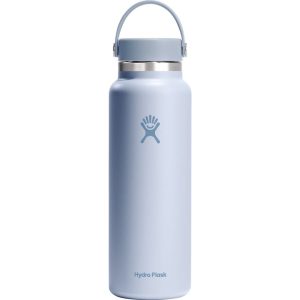
It probably goes without saying, but most ski days happen in temperatures well below freezing. Stuff a regular plastic bottle like a Dasani in your pack, and it’ll be a solid block of ice by noon. To keep your water drinkable on the slopes, use an insulated bottle instead. Bonus: carry one full of coffee or hot chocolate for a little extra warmth on the lift.
Sunscreen
Remember what I said about snowblindness? That the UV light is constantly bouncing off the snow and frying your retinas? Those same rays will also burn any exposed skin, and they’re hitting it from every angle.
Even if you’re bundled up with almost no skin showing, you still need to apply sunscreen to the bits that peek out, particularly around your eyes, nose, and cheeks. Goggle tans were cool on ‘80s ski bums, but today we know they’re just an early sign of skin cancer.
Lip Balm
Cold, dry air leads to very chapped lips, especially when you’re out in it all day long, so bring some lip balm in your backpack. Windrift Hill is a small business based in Conrad, MT, that makes all kinds of products out of goat’s milk from their own herd of goats.
Their lip balm uses the power of beeswax and hemp seed oil, along with SPF-15,to keep your lips from becoming a crackly mess by the end of the day.
Eye Drops
A day on the hill can also dry out your eyes (especially if you disregard my advice about wearing goggles). Dry, irritated eyes are seriously uncomfortable, so carry some eye drops for a quick remedy.
Kleenex Pack
That cold, dry air will also leave your nose running like a faucet. Unless you want to feel like a snotty mess all day, keep some tissues stashed away in your pocket or backpack.
Power Bank
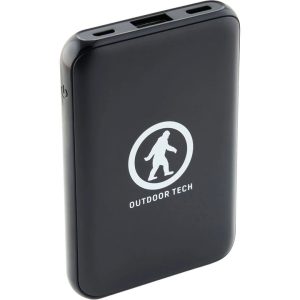
Hopefully you charged all your devices before hitting the slopes, but mistakes happen, and if you can avoid a trip back to the lodge or worse, your vehicle – all the better. Throw a power bank and the requisite charging cables in your ski backpack, and it’ll be there should the dreaded low-battery symbol rear its ugly face.
Electric Handwarmers
Even with the best gloves, your hands can still get pretty chilly on the lift. That’s the nature of sitting for 15 minutes on an open bench, 50 feet in the air, when it’s 10 degrees out.
But you can change that experience entirely with a pair of electric handwarmers, which’ll keep your hands a toasty 100 degrees. Just put them away before you get off the lift, so you can keep a good grip on your poles.
Action Camera
There was a time when the adoration of your buddies after pulling off a sick jump was enough. Now everyone wants to be Internet famous, and if you want to impress the folks on the interwebs, you need an epic video.
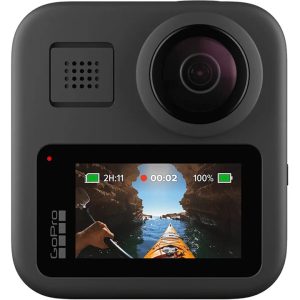
A 360 action camera, like this one from GoPro, makes getting those amazing shots ridiculously easy. With lenses on the front and back, it captures just about everything, and you can edit it down to the very best clips later.
Selfie Stick
Videos taken from a helmet or ski mount are definitely exciting, but what everyone really wants to see is you in the frame. Selfie sticks provide you with a couple extra feet of reach so you can get the wildest shots of your smiling face.
Getting to the Hill
Clothes and gear are the most important when you’re packing for a ski trip, but you’ll need a few other things to help you get all that crap to the hill, especially if you’re headed to a far-flung destination. These are the pieces of luggage and car kit that’ll help you stay organized, keep things dry, and most importantly, actually get you and all your stuff up the mountain.
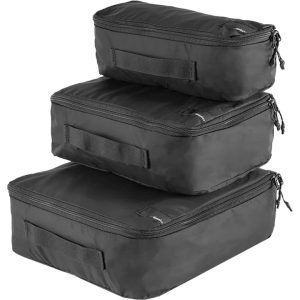
Packing Cubes
We don’t know how people managed to stay organized before packing cubes, especially in a cavernous duffel bag. It’d be a whole scavenger hunt to find anything.
With packing cubes, you know exactly where everything is. Organize them by types of clothes, on-the-slopes vs. off, or even by day. You’ll thank yourself when you don’t have to hunt for those lounge pants after a long day of shredding.
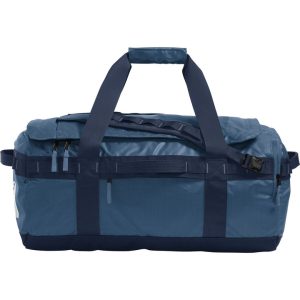
Duffel Bag
Suitcases are fine, but you have to admit, they feel a bit stuffy for a ski trip. If you’re flying in, a suitcase will work for getting from the airport to the hotel – but what about getting to the hill the next day? Are you going to bring your extra layers, accessories, and snacks in a suitcase? No, you need a duffel bag to throw in the car and take inside the lodge.
If you’re planning to rent your skis and boots, you can probably forgo the suitcase entirely and just bring a duffel bag as your carry-on. You’ll save some money by skipping the checked bag fee.
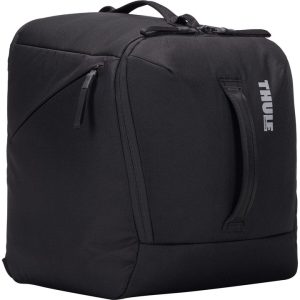
Boot Bag
Ski and snowboard boots are notoriously bulky and are unlikely to fit in any reasonably-sized duffel bag. While you can carry your boots by tying the laces or straps together, a dedicated boot bag makes getting to and from the lodge far less cumbersome. And if your ski trip involves a flight, it’s either this or a massive suitcase.
Just remember to unpack the bag when you get home or back to your hotel room, because boots need time to dry and air out.
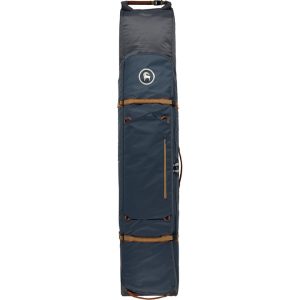
Ski or Snowboard Bag
Similarly, a ski or snowboard bag isn’t strictly necessary unless you’re flying, but it offers a more convenient way to haul your gear. This is especially helpful at the day’s end when you’re exhausted and don’t want wet snow dripping down your back as you trek to the car with skis slung over your shoulder.
As with boots, don’t forget to unpack the bag and air out your equipment at the first opportunity to prevent rust on the edges.
Cooler
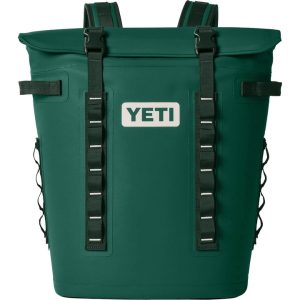
We’re going a bit heavy on the bags here, but this is just another item you might want to consider. With a well-made soft-sided cooler, you can drop your lunch and snacks in a locker at the lodge and not have to worry about salmonella creeping up on you. If your ski vacation involves a road trip, you’ll certainly want to pack a cooler anyway.
Tire Chains
Unless you’re flying in and staying at ski-in, ski-out accommodations (lucky!), your ski trip will probably require a drive – and that means you need to be prepared for icy mountain roads.
Unless you have good winter tires, throwing on a set of chains will take your traction from non-existent to excellent in just a few minutes. They’re like an insurance policy for winter road trips: you’d rather have them and not need them than need them and not have them. Check the numbers on the sidewalls of your tires to find the right set of chains.
What to Pack for Apres-Ski
If you need a packing list for a ski vacation, and not just a day at your local hill, this section is for you. Ski trips are a whole experience, and not all of it happens on the snow. In a way, it’s like fishing; sometimes drinking beers and telling stories, many of them embellished, is just as important as the actual skiing.
To sound fancy and European, we call that time apres-ski, but it’s really just relaxing after a long day on a frigid mountain. To enjoy your apres-ski experience, though, there are a few items you’ll want to pack.
Sunglasses
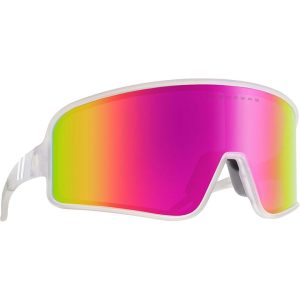
I personally find these sunglasses a bit ridiculous looking, but I’m led to believe it’s what the cool kids are wearing these days.
In any case, you’ll want a pair of shades to shield your eyes from the sun – and its reflection off the snow – even when you’re off the slopes. A pair of sunglasses is especially important if you have a long drive to and from the hill, since you’ll probably be driving when the sun is low and right in your eyes.
Lounge Clothes
Spending the evening in your sweat-soaked base layer is unpleasant, so the first order of business once you get off the hill is going to be a shower and a change of clothes. It’s probably not yet dinner time (though, by all means, have a snack), so make sure you pack something comfortable to wear in the meantime – sweats, leggings, a hoodie, something along those lines.
Going Out Clothes
You’ve switched out of your baselayer and into comfy loungewear, but now the whole crew wants to head out.
Well, if this is your local hill, just tell them you’re headed to your cozy house and adoring dog. They can bring beers to your place if they want to socialize any further.
But if you’re on a trip, check how fancy the bar or restaurant is. Do pajamas pass the dress code? No? In that case, you’ll need something a little nicer so you don’t embarrass your friends.
Packable Down Jacket: Men’s and Women’s
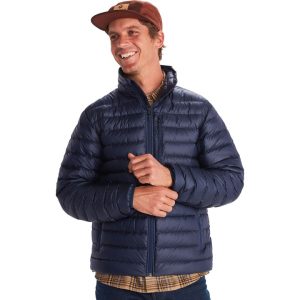
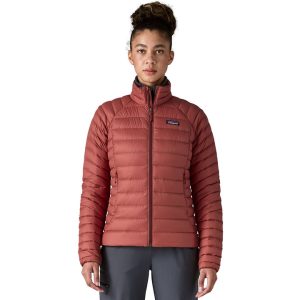
You could wear your outer shell for the rest of the evening, but a separate coat will smell a lot cleaner, and most any type of jacket will be warmer than your outer layer. A packable down jacket like these won’t really add weight to luggage or take up any space.
Lotion
Spending hours outside in below-freezing temperatures and bone dry air is a recipe for chapped skin. This goat’s milk body butter is another product we love from Montana-based Windrift Hill, and it’s the remedy to your dry skin problems.
Muscle Cream
Sore muscles are a badge of honor for skiers – you went hard, had an adventure, and left everything out on the hill. Be honest, though; no one enjoys waking up and feeling like they’ve been hit by a freight train. That’s why we suggest packing some ointment for your achy limbs – and the older you are, the more we suggest putting this on your ski trip packing list.
This muscle cream from the Montana Emu Ranch near Kalispell is made with emu oil and is loaded with botanical extracts that’ll sooth your deep tissues and keep you from whining all the way through the apres.
Swimsuit: Men’s and Women’s
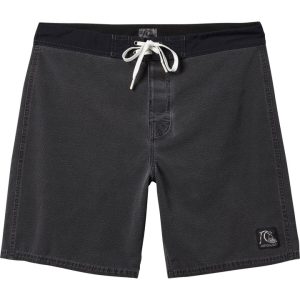
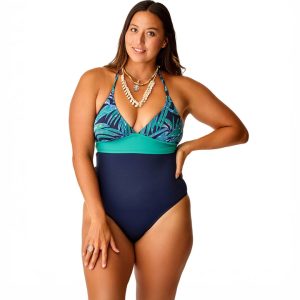
After a day of frigid temperatures and enough moguls to make your knees sore for a week, what could be better than a dip in a hot tub (or even a hot spring, depending on where you’re skiing)? That’s why a swimsuit is one of the essentials for a ski trip if you ask us.
Slip into that steaming water, let your aching muscles go loose, and if you have access to an outdoor tub, enjoy the twinkling stars amidst some fresh snowflakes.
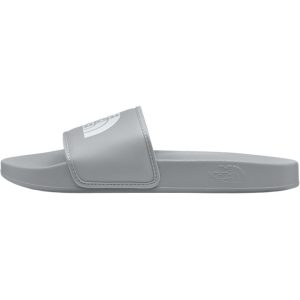
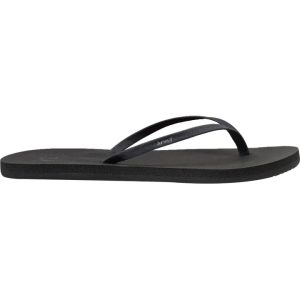
Booties: Men’s and Women’s
The footwear you didn’t know you needed, these are essentially down or fleece-lined slip-on shoes. They’re incredibly cozy and a more alternative to sneakers after your feet have been crammed in ski boots all day long.
They’re not the most weatherproof footwear, so we don’t recommend walking on slushy sidewalks in them. But they’re amazing for a quick jaunt to the car or keeping your feet warm at the lodge bar.
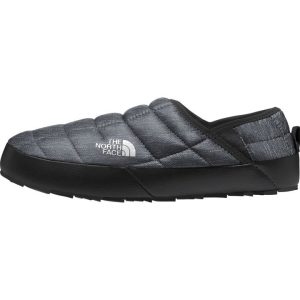
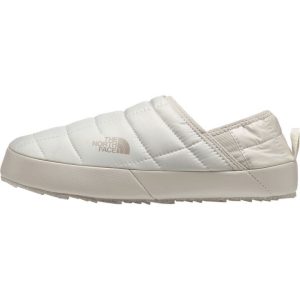
Snow Boots: Men’s and Women’s
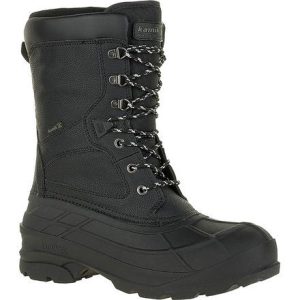
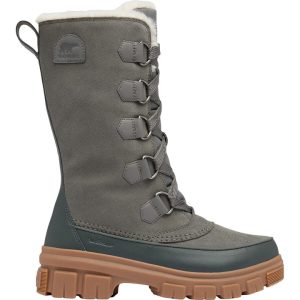
One final pair of footwear to consider for your ski packing list: winter boots. If you’re on a trip where you’ll be heading out in the evenings or you have other outdoor activities planned, you’ll probably need something warmer and less slipper-like for your apres-ski. So pack your boots, and you’ll be ready for bar hopping, taking a sleigh ride, or just navigating the icy sidewalks.
Final Thoughts on Packing for a Ski Trip
This is our ultimate ski packing list, but we want to make a few things clear! You definitely do not need every single item on this list. Many are just suggestions for things that might be nice to have, depending on the trip you have planned.
If you’ve never skied before or you ski only rarely, we don’t recommend buying a ton of new skiing-specific gear. Rent your skis or board at the hill, make use of clothes you have, and borrow from friends. If you do need to buy something, scour Facebook Marketplace, hit up ski swaps, or check secondhand stores. Use the money you saved on a post-ski massage instead (or, you know, to pay your rent).
Are there any other key items on your ski trip packing list?
PIN IT!

 33 Epic Things to Do in Bozeman, MT (Summer + Winter)